

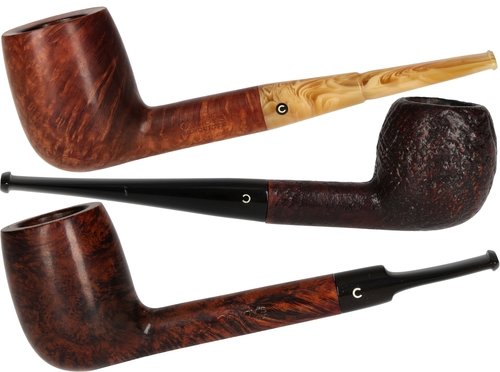
Comoy’s Pipes – French Roots and the Road to London
Comoy’s of London is one of those names in the pipe world that carries weight: classic, British, shaped by history. Yet the story of the brand does not begin in London, but in Saint-Claude in the French Jura. There, the Comoy family had been crafting pipes since 1825, using materials common at the time such as clay, boxwood, and beech. The decisive step came in the mid-19th century with the introduction of briar wood.
Henri Comoy and the Emergence of the English Pipe Tradition
The London chapter was written by Henri Comoy. In 1879, he moved from the picturesque Jura mountains to the soot-covered London of the Victorian era. There, in Seven Dials near what is now Cambridge Circus, he opened a small workshop.
From this combination of French pipe-making expertise and English sense of form, the reputation of Comoy’s of London emerged. Henri Comoy is also often associated with the imprint “London Made,” a marking that later became a recognized hallmark of quality English pipes for buyers around the world.
Classic Pipe Shapes and Typical Features of Comoy’s of London
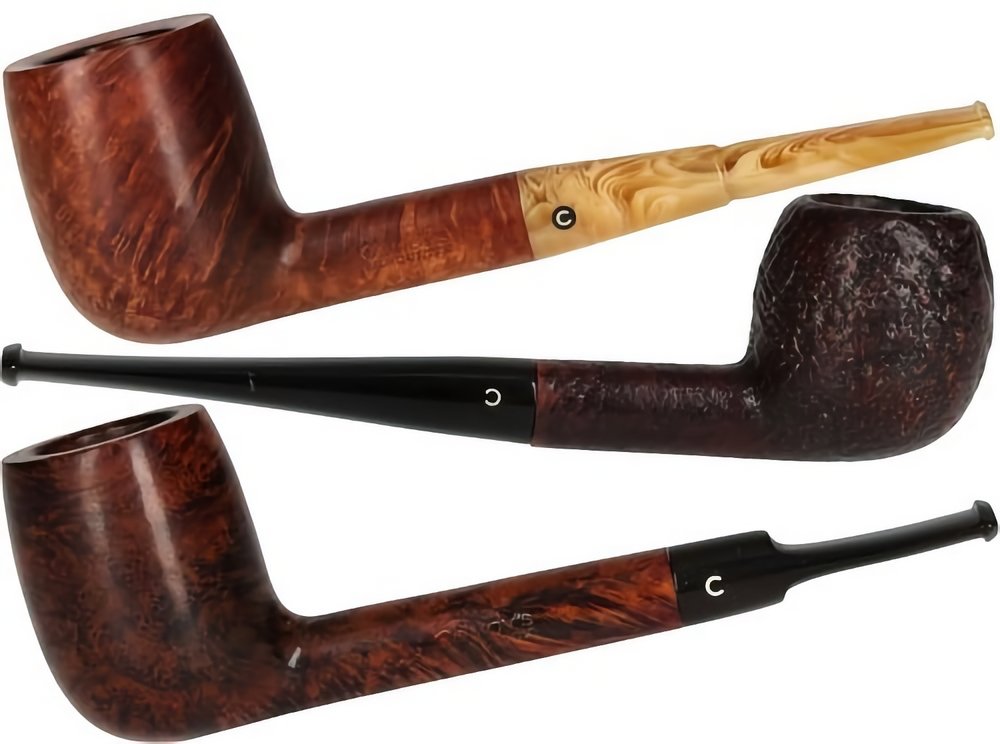
Comoy’s is known for balanced, classic shapes: Billiard, Bulldog, Pot, Canadian, or Rhodesian. With this brand, the designs are rarely playful; instead, they tend to be disciplined. The lines are clean, the proportions well balanced, and many older pieces display exactly what collectors appreciate about English pipes: a slender shank, a finely crafted mouthpiece, and a surface that does not overpower the grain of the briar. The inlaid “C” on the mouthpiece is one of the brand’s most recognizable trademarks.
Historic Comoy’s Pipes and Estate Models for Collectors
Today, Comoy’s of London is encountered primarily in the field of historic pipes and Estate pieces. Older examples are particularly appealing, as they make a piece of pipe history tangible: French origins, London production, classic English shapes. When you hold a Comoy’s in your hand, you are rarely looking at a loud design statement, but rather at a pipe with a quiet presence—made for those who appreciate the finer details.


