


Drill Cutters
Passatore: Bestseller







Passatore: All items


Opening a fine cigar with your fingers or teeth can damage the wrapper and the cap. A cigar punch – also known as a punch cutter or round cutter – creates a controlled opening while largely preserving the shape of the cigar head. When choosing a punch, the most important factors are the cigar size, punch diameter, number of blades, and operating mechanism.
How Cigar Punches Work and Their Advantages
Since the late 1990s, punching cigars has become increasingly popular. One of the widely used cigar punches from the United States at the time resembled a cartridge case. As larger ring gauges became more common, the punch cutter emerged as an alternative to cigar scissors and guillotine cutters for many aficionados. Strictly speaking, nothing is drilled: A sharpened circular blade punches a clean, round opening into the cap at the head of the cigar.
Unlike a cigar cutter, a cigar punch does not remove the entire cap. The cigar retains most of its natural rounded shape, and fewer loose tobacco fragments typically end up in your mouth. However, an opening that is too small may increase draw resistance. If the punched opening proves insufficient, the cigar can still be opened further with a cutter afterward. Some aficionados deliberately combine both methods.
Which Punch Diameter Matches Which Ring Gauge?
Cigar punches are available with diameters ranging from approximately 6 to 14 millimetres. Smaller blades create a more compact opening, while a larger punch can provide an easier draw on thicker cigars. The following recommendations offer a useful guide:
- 6 mm: for ring gauges of approximately 34 to 42 and similarly slim cigar formats
- 7 to 8 mm: for ring gauges of approximately 40 to 50 or 52
- 9 to 10 mm: for ring gauges of approximately 46 to 56, including many Robusto and Toro formats
- 11 to 12 mm: for ring gauges of approximately 50 to 64 and a larger opening
- 13 to 14 mm: for ring gauges of approximately 56 and above, as well as particularly thick cigars
These ranges intentionally overlap and should not be regarded as strict rules. The shape of the cap, the cigar's construction, and personal draw preferences also play an important role. The circular blade should rest completely on the cap while maintaining sufficient distance from the edge of the wrapper. Punch cutters are generally unsuitable for Piramides, Belicosos, and Torpedos with tapered heads, as these formats can be opened more precisely with a cutter.
Single, Double, or Triple Cigar Punches: Comparing Features
If you mainly smoke similar cigar sizes, a compact single punch is usually sufficient. If you enjoy a variety of ring gauges, double and triple punches offer greater flexibility. The Adorini Double Punch combines two different punch diameters in one housing. The Credo 3-in-1 covers an especially wide range of cigar formats with three blades.
There are also differences in blade protection and the mechanism used to eject the punched tobacco plug. Protective caps as well as twist, slide, push-button, or pull-apart mechanisms keep the blade safely enclosed during transport. On the Passatore Compact 5, the blade retracts at the push of a button, simultaneously releasing the tobacco plug. The Colibri Quasar combines three punch sizes with a fully enclosed sliding mechanism and automatic plug ejection.
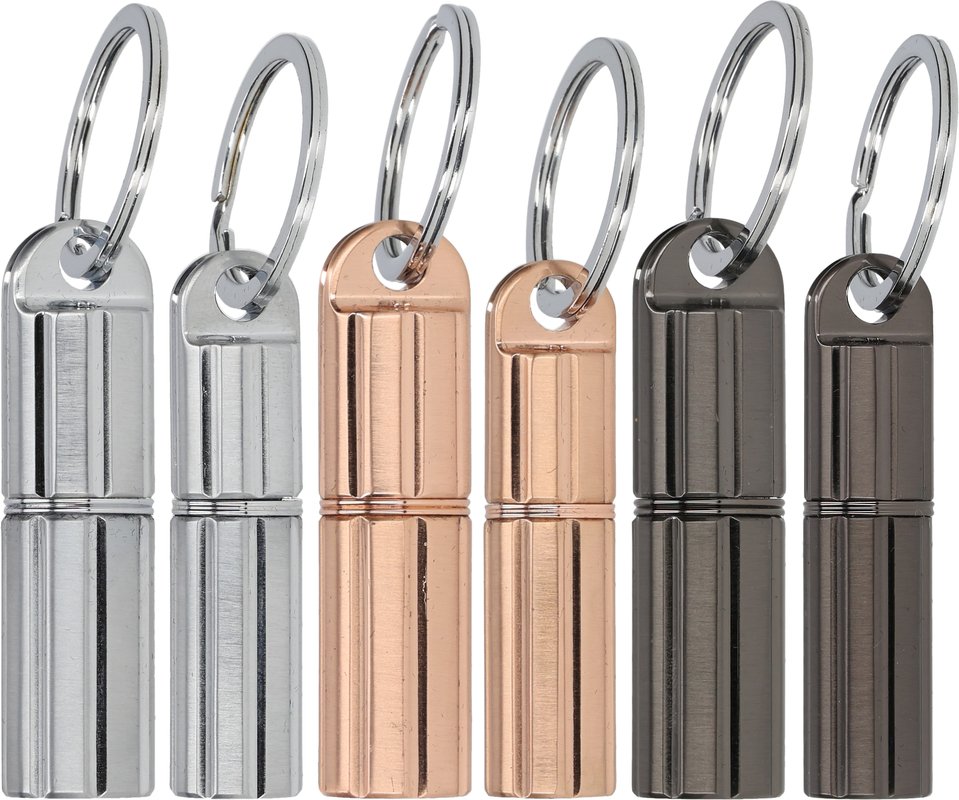
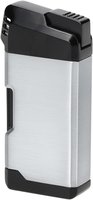
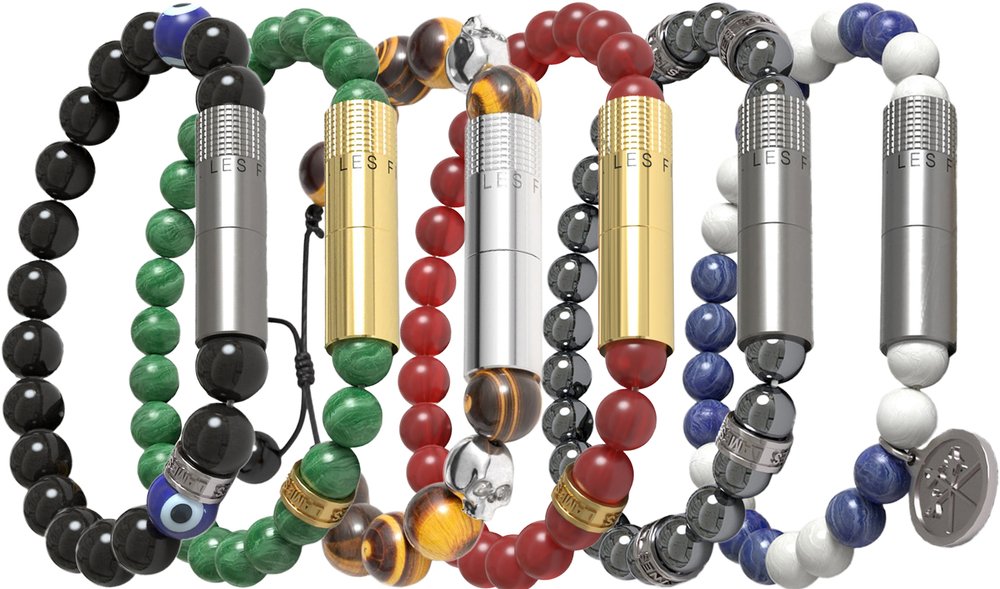
Aluminium housings are comparatively lightweight, while stainless steel and solid metal versions are generally heavier and especially robust. Classic Punch offers various basic designs for an easy introduction. With the Punch Bracelets from Les Fines Lames, the punch cutter is integrated directly into the bracelet clasp. Another space-saving option is a cigar lighter with a built-in punch.
In the premium segment, the Davidoff Duocut combines two punch blades with a compact twist mechanism. S.T. Dupont offers both compact single punches and more sophisticated double punches. Regardless of brand or material, the key quality features remain a sharp blade, precise guidance, and a clean ejection mechanism.
How to Punch a Cigar Properly
Before punching, the cigar should be properly humidified. If the tobacco is too dry, the wrapper may crack, fray, or crumble around the opening. Position the circular blade centrally and straight on the cap. Using a gentle twisting motion with minimal pressure allows you to remove the tobacco plug without penetrating unnecessarily deep into the cigar head.
If the draw remains unusually tight despite a sufficiently large opening, the cigar may simply be rolled too tightly. In such cases, a Drawpoker creates an additional air channel and serves a different purpose than a standard cigar punch. The best choice therefore depends primarily on your preferred ring gauges, the level of portability you require, and the number of blades you need. Our Cigarworld team will be happy to help you choose the right cigar punch.


