


Cigarillos From Germany – Brands, Tradition, and Modern Diversity



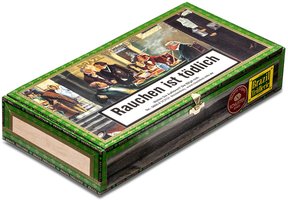



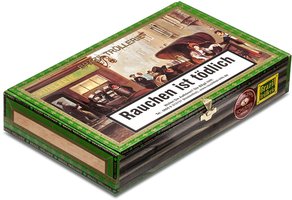
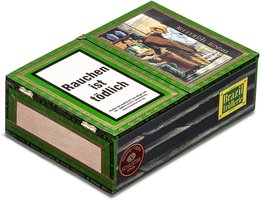











Cigarillos from Germany represent diversity like hardly any other segment. And that is perhaps the only common denominator: classic Brasil and Sumatra blends, pure 100% tobacco lines, flavored filter cigarillos, and modern everyday formats coexist side by side. Even a brief glance at the range shows how broadly German cigarillos are positioned today.
German Cigarillos: Diversity From Tradition and Modern Ideas
Numerous established cigarillo manufacturers have shaped this image for decades. August Schuster has been producing in Bünde since 1909, Villiger has been represented by a German company since 1910 and today manufactures, among other places, in Waldshut-Tiengen and Bünde-Dünne. Kleinlagel dates back to 1916, while Don Stefano was established in 1993 by Steffen Rinn near Gießen. The field is complemented by specialists such as Christo from Bad Lobenstein.
Anyone looking to buy cigarillos from Germany will therefore not encounter a uniform style, but rather a mature tobacco culture with regional influences and very different interpretations of a “short smoke.”
Well-Known Brands and Their Styles
Arnold André, also based in Bünde, brings together several defining lines with Handelsgold, Clubmaster, and Vasco da Gama. While Handelsgold is considered a classic, Clubmaster and Vasco da Gama present a more modern approach – the latter with a noticeably spicier profile.
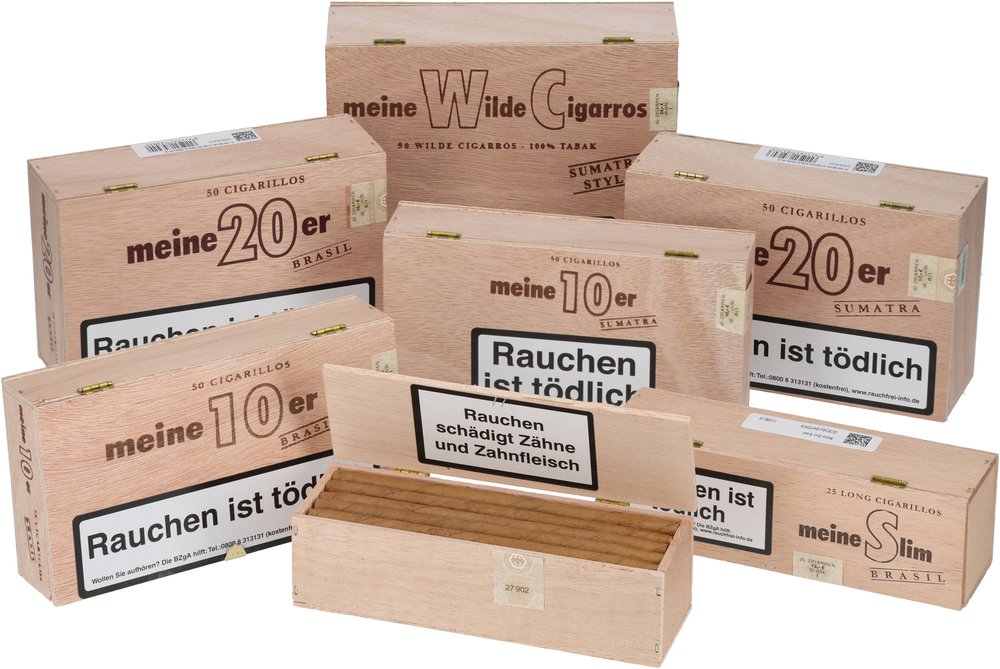
Dannemann occupies its own segment: Al Capone ranges between natural and flavored varieties, Moods are known for their lightly fruity, tropical notes, while the classic Dannemann cigarillos represent traditional formats. This clear differentiation of styles is precisely what makes them appealing.
Traditional Lines and German Tobacco Cultivation
Those who lean toward traditional craftsmanship will quickly arrive at August Schuster. Series such as Altes Handwerk stand for classic 100% tobacco cigarillos in Brasil and Sumatra, while Bremer Senatoren, Lepanto, and Partageno have been established staples in the range for years.
Don Stefano covers a broad spectrum with its series – from shortfillers to special editions. Particularly noteworthy is Don Stefano Geudertheimer, which deliberately uses tobaccos from the Palatinate and Baden, creating a link to historic German tobacco cultivation.
Herr Lehmann Cigarillos follow a similar path, also working with Geudertheimer tobacco. Christo, in turn, produces in the Thuringian Slate Mountains and consciously focuses on origin and artisanal identity rather than interchangeable mass production.
Extensive Ranges From Kleinlagel and Villiger
Kleinlagel from Baden offers a remarkable breadth: from long, slender formats such as Atelier Long Smoke to classic lines like Amadeus, Princesse, or Colombo, as well as value-oriented series such as Fehlfarben or Sonderleistung.
Villiger likewise demonstrates the diversity of German cigarillos in impressive fashion. Historically renowned is Villiger Kiel, originally a cigar with a goose quill mouthpiece from 1907. Today, the portfolio ranges from classic mouthpiece cigarillos and Brazilian-influenced Americanos to flavored series such as Mogador and everyday lines like Rillos and Deutsche Jagd.
German Cigarillos: Character Between Everyday Use and Specialty
Woermann complements the spectrum with classic formats that are often very price-accessible. Across various lines, cigarillos emerge that demonstrate how a distinctive character is not necessarily tied to high prices.
Overall, cigarillos from Germany thrive on a particular tension: between tradition and innovation, between Brasil and Sumatra classics, between 100 percent tobacco and flavoring, between regional aspiration and everyday series.
Anyone exploring German cigarillos will quickly realize: there is no single unified style here. Instead, the spectrum ranges from rustic to refined, from sweetish to dry, from the classic wooden box to the practical pocket case. It is precisely this diversity that makes German cigarillos a distinctive and exciting segment within the world of tobacco.


