




Cuban Gran Reserva Cigars: Tobaccos Aged for Five Years
Cuban Gran Reservas require a virtue that has become rare in our hectic world: patience. Filler, binder and wrapper must mature in bales for at least five years before they even reach the hands of the torcedores. Particularly suitable leaves from the Vuelta Abajo are used. One thing is therefore clear: this is not simply a Habano with a fancy band, but a category committed to values of its own.
How Five Years of Aging Affect the Flavor
What difference do those five years actually make? One might ask, somewhat provocatively. The simple answer: above all, they bring composure to the tobacco. During aging, harsher components break down, aromas meld more closely and the blend can become rounder, sweeter and more complex. “Milder,” however, is not always the right word. A Gran Reserva can certainly be powerful – just in complete harmony. At times opulent, yet perfectly balanced, like a Bruckner symphony.
Cosecha Vintage and the Origins of the Gran Reserva
What matters is the year following the word “Cosecha.” It refers to the harvest, not the year of release. A Cosecha 2017 therefore consists of tobaccos harvested in 2017 and subsequently aged for at least five years. The first Gran Reserva from Habanos was released in 2009: the Cohiba Gran Reserva 2003. It was offered in 5,000 numbered, lacquered boxes containing 15 cigars each and already featured the distinctive additional black-and-gold band. The bar had been set – conveniently high, so nobody could accidentally trip over it.
Gran Reserva, Reserva and Edición Limitada Compared
Gran Reserva, Reserva, Edición Limitada – anyone who briefly loses track is in good company. With a Reserva, all tobacco leaves are aged for at least three years before rolling. For a Gran Reserva, the minimum is five years. An Edición Limitada follows a different concept: it is released in selected brands and formats, and its tobaccos also undergo additional aging – since 2007, for at least two years. And Añejados? In this case, already rolled and packaged cigars are aged in Cuba for at least five years. Same number, different stage – a small footnote with a big difference.
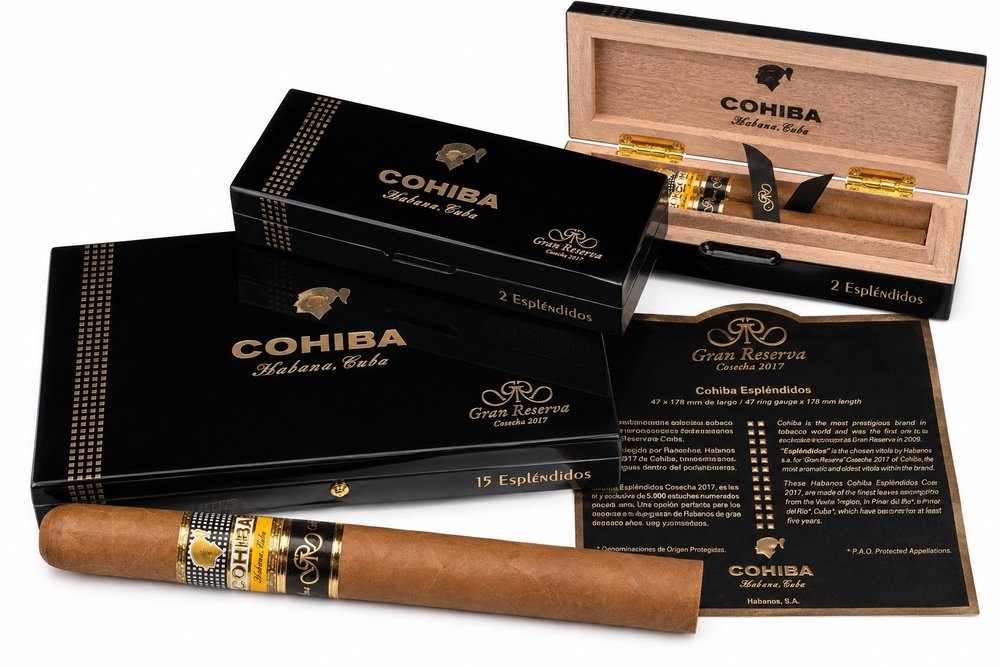
In terms of flavor, a Gran Reserva should not be regarded as a mathematically improved standard cigar. Five years of aging do not automatically mean “five times better.” They change the balance, texture and development. Experienced aficionados therefore pay less attention to a single spectacular burst of flavor and more to the transitions: How does the sweetness develop? When do earthy, woody or spicy notes emerge? Does the cigar remain composed right to the end? A Gran Reserva tells a long novel rather than a good joke.
Smoke a Gran Reserva or Keep It as a Collector’s Item?
So, should you smoke it or collect it? Both are understandable. Numbered boxes, small production runs and rare vintages make Gran Reservas highly sought-after collector’s items. Nevertheless, they were rolled to be smoked. Anyone buying an individual cigar should first allow it some time to rest in the humidor after transport and choose a suitable occasion. A free evening, a quiet place and notifications switched off go a surprisingly long way.
How to Store Cuban Gran Reservas Properly in a Humidor
When it comes to storage, stability beats spectacle. Consistent conditions and patience matter more than constant adjustments. Even a cigar that has already undergone extensive aging can continue to develop in the box, but there is no guarantee that it will objectively improve with every additional year. After all, even experienced aficionados do not entirely agree on the ideal aging period for finished Habanos. Anyone focused solely on future resale may miss the whole point – and end up owning a very expensive wooden box full of unanswered questions.
Gran Reserva for Experienced Aficionados
Cuban Gran Reservas are therefore less of an “everyday” recommendation and more of an invitation to pay closer attention to every nuance. They combine carefully selected harvests, extended pre-aging and extremely limited availability.


