

A Crack on the Cigar Wrapper - The Causes
Cracks in the wrapper of a cigar are not an uncommon sight and do not necessarily indicate a manufacturing defect. They often develop during storage, when cigars become too dry or later absorb too much moisture. Cigars are natural products whose aging process continues after production. When stored properly, they can even improve in quality over time; under unfavorable conditions, however, the wrapper can be damaged.
Reasons for the Formation of Cracks in the Wrapper
If a wrapper dries out too much, the oils it contains evaporate and it becomes brittle. When the cigar is then exposed to high humidity, the tobaccos of the filler  and binder expand significantly, which can cause the wrapper to crack. Wrappers with a finer structure are particularly often affected; the cracks usually appear in the middle or at the burn end. Smoking behavior is also crucial: if a cigar is slightly too dry and smoked very quickly, it heats up—which can also lead to cracks.
The majority of cracks at the burn end occur in cigars that are not wrapped in cellophane, which are generally Habanos. These are transport damages: the burn ends of unwrapped cigars are not sufficiently protected against external shocks within the box. Admittedly, these cracks are unsightly. But wouldn’t it be an unforgivable breach of style to expect Cubans to start wrapping their Habanos in soulless plastic film just to secure them for transport?
Treating Cracks in the Wrapper
How to deal with cracks depends primarily on their type: if only the wrapper is damaged while the binder remains intact, this does not pose a limitation. And if only the burn end is affected, you can remain completely relaxed and smoke the cigar to the end. If you dislike the appearance, you can of course cut off the end. However, be careful: anyone who chooses to do so should keep in mind that this interferes with the intended character of the cigar and alters its original aroma.
Cigar Glue for Repairing Cracks
If you’re feeling bold, you can also try your hand at repairs: with cigar glue and perhaps a leftover piece of tobacco, smaller cracks can be patched. The adhesive typically used is tragacanth, a flavor-neutral plant resin that is also used in cigar production to fix the wrapper and cap. This adhesive is especially suitable for minor damage because it dries unobtrusively and does not affect the cigar’s aroma. And if you’re tempted to try your hand as a torcedor, you can attempt to replace the wrapper.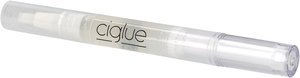

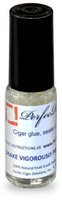
Admittedly, repairing cigars on your own is a challenge that certainly has its appeal. However, one should be cautious about excessive experimentation, as cigar rolling is a delicate craft that requires not only great skill but, above all, years of practice. Moreover, very few people happen to have a suitable replacement wrapper on hand.
Further topics


Discover & enjoy
In our shop you will find: