

The Causes of Different-Colored Spots on Cigar Wrappers
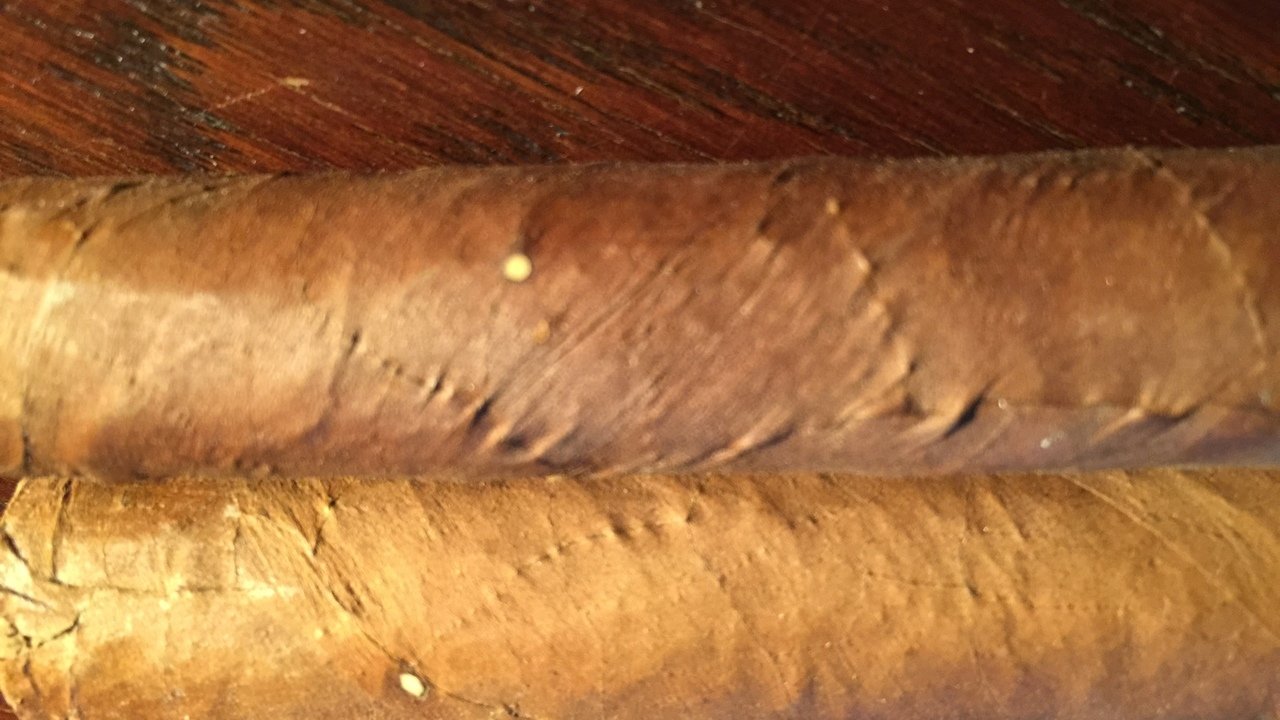
Although created for smoking, the first impression we get from a cigar is defined by its appearance. Shape and color are what catch our eye when we first pick it up. Many aficionados may have noticed discoloration or even wondered about spots on the wrapper. Such blemishes can be frustrating, detracting from the elegance of a beautiful cigar and perhaps diminishing our anticipation of enjoyment. But what exactly causes these color variations?
Shine – Not an Indicator of Quality
 The assumption that an elegant cigar should necessarily have a shiny surface is not entirely correct. In fact, shine is not a mark of quality; on the contrary, an overly shiny cigar suggests flaws in production, rarely found in high-quality products. Shine results from a high concentration of oils left behind when tobacco is fermented too briefly or at too low a temperature. Three factors are critical to fermentation: humidity, temperature, and pressure, which is why tobacco leaves are stacked into large piles and rotated several times during the process. Optimal fermentation temperatures range from 50 to 60 degrees Celsius, with humidity at around 80 percent, making specially designated drying houses essential for this production step.
A high concentration of oil can produce a sharp or even bitter taste. Conversely, a cigar’s surface appears matte when oils and fats in the tobacco are significantly broken down. This often results from fermentation that is either too lengthy or at too high a temperature, or from prolonged storage in overly dry conditions. Naturally, this also impacts the aroma. However, whether an aficionado prefers a more lustrous or matte cigar surface is ultimately a matter of personal preference – in the end, taste should always be the deciding factor.
Spots on the Wrapper
 The color of spots on the wrapper reveals their origin. If they appear green and are spread across the wrapper, they are typically due to chlorophyll, the pigment that enables plants to absorb light for photosynthesis. During the drying of tobacco plants, chlorophyll is generally broken down. However, if drying occurs too quickly, residues may remain, showing up as green spots on the wrapper or accumulating around small cracks. The bright green color of chlorophyll might lead one to worry that mold is present, but such concerns are unwarranted. A cigar is, after all, a plant-based product, so remnants of plant pigments may sometimes remain. Although chlorophyll may not add to a cigar’s visual appeal, it has no taste of its own and does not negatively impact the cigar’s aroma.
Yellow or black spots are the result of too little or too much moisture in the drying barn. The yellow color represents a concentration of pigments, while black spots arise from sugars present in the tobacco plant. Finally, cigars may also display white spots. If these cover a larger area, it indicates blue mold, whereas small dots suggest the Cercospora fungus. In both cases, while perhaps not aesthetically pleasing, they are harmless and do not affect the cigar’s flavor.
Now we know what these discolorations mean. The most common are green chlorophyll spots or the white dots caused by Cercospora. All other color changes are rare and typically don’t make it to the shelves – thanks to our stringent quality checks.
Further topics


Discover & enjoy
In our shop you will find: