

Brasilien: Bestseller






Brasilien: All items




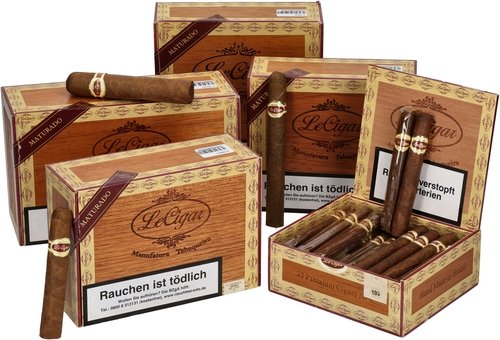
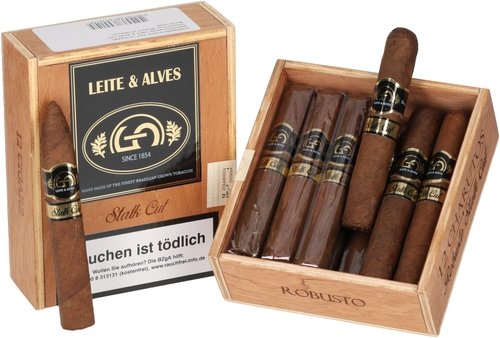
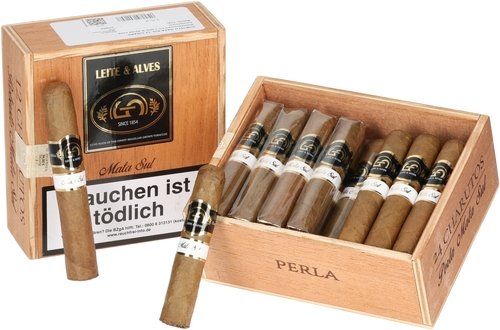

Brazilian cigars are available from us as hand-rolled longfillers, mediumfillers, and machine-made shortfillers. Our selection ranges from affordable everyday cigars to premium series. In addition to cigars from Brazil, you will also find international blends featuring Brazilian tobaccos. Key factors when making your choice include tobacco composition, strength, format, smoking time, and production method.
Brazilian Cigars: Puros or International Blends?
The designation “Brasil” does not automatically mean that a cigar is made entirely from Brazilian tobacco or rolled there. Our selection includes a variety of compositions:
- Entirely Brazilian: The puros from Alonso Menendez use Brazilian tobacco for the wrapper, binder, and filler. Typical characteristics include a dark Mata Fina wrapper, earthy aromas, and predominantly medium strength.
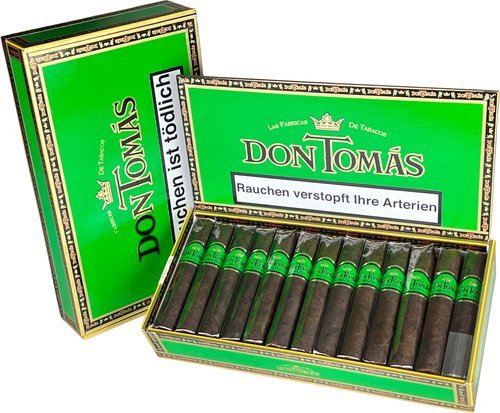
- With a Brazilian wrapper: Don Tomas Brazil combines an Arapiraca wrapper with tobaccos from Honduras, Nicaragua, and the Dominican Republic.
- With Brazilian binder and filler tobacco: Davidoff Escurio combines a Cubra binder with Brazilian and Dominican filler tobaccos and a wrapper from Ecuador. The series is made in the Dominican Republic.
Choosing Mata Fina and Arapiraca
Important growing regions include Mata Fina in the state of Bahia and Arapiraca in Alagoas. Mata Fina tobacco can contribute earthy, sweet, and spicy notes and is used both as a wrapper and in the filler. Arapiraca is particularly common as a wrapper, as with Don Tomas Brazil. The flavor is always determined by the blend as a whole.
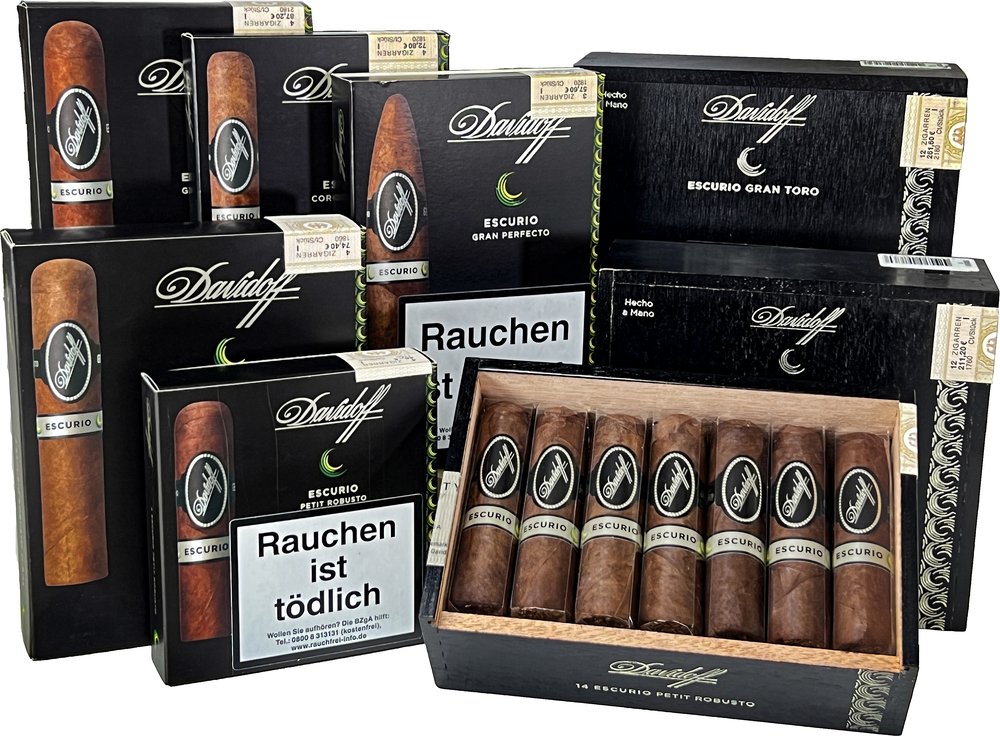
A dark, oily-looking wrapper is not a reliable indication of high nicotine content. Instead of choosing based solely on origin or color, compare the strength and aroma ratings of the individual format.
Longfillers, Mediumfillers, and Shortfillers Compared
For many years, machine-made Brasil cigars shaped the image of Brazilian cigars on the German market. Today, our selection focuses primarily on hand-rolled longfillers with whole tobacco leaves in the filler. You will also find mediumfillers with shorter pieces of leaf or blends of long and shorter tobaccos, as well as machine-made shortfillers with chopped filler tobacco. The production method alone does not determine the flavor.
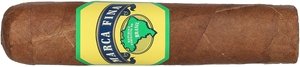
Based on our own inspections, we classify the filler of Marca Fina Brasil more as a mediumfiller or sandwich filler, although the manufacturer describes the cigars as longfillers. These tightly rolled cigars have a sweet and spicy flavor.
Cigars from Brazil for Different Budgets
In the affordable segment, hand-rolled Don Tomas Brazil cigars are available alongside Marca Fina Brasil. In the mid-price range, Alonso Menendez and its Brazilian puros are an option. For a complex, sweet and spicy blend, Davidoff Escurio is a higher-priced choice. To get acquainted with a series, we recommend trying individually available cigars before deciding on a box.
Choosing the Right Format and Ring Gauge for Your Smoking Time
Compact formats such as Coronita, Robusto Breve, or Petit Robusto are suitable for shorter occasions. A Robusto offers more tobacco volume than a slim Panatela, while Toro and Churchill formats are better suited when you have more time. Actual smoking time also depends on your smoking pace. A larger ring gauge indicates a larger diameter, not necessarily a stronger cigar.
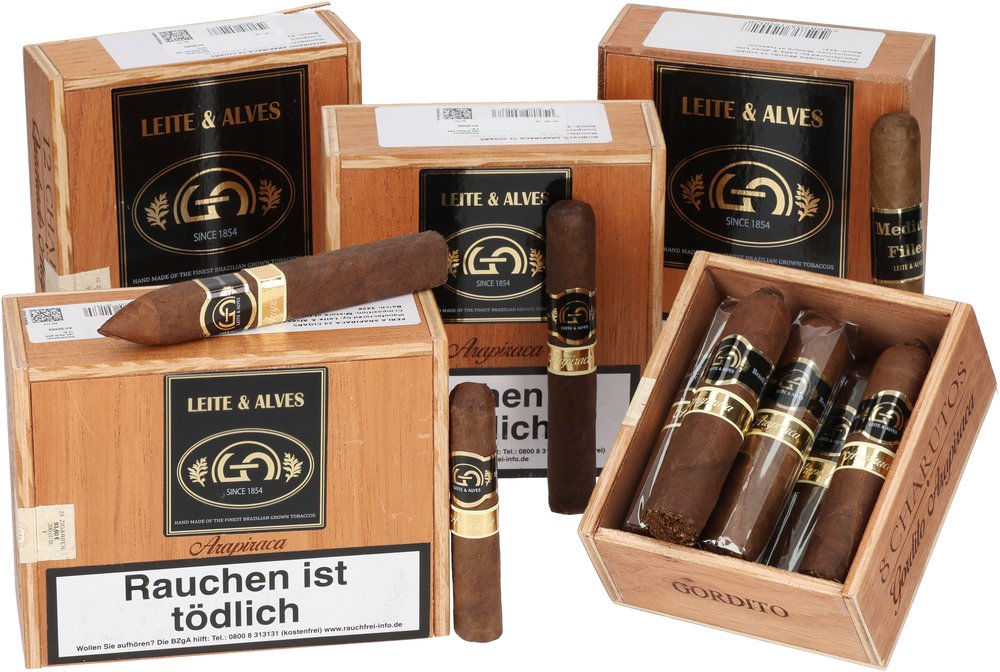
Narrow down our selection using filters for brand, price, length, diameter, ring gauge, and production method. Additional filters include wrapper varieties, the origin of the binder and filler, and box-pressed versions with an angular shape.
Suitable Accessories for Storage and Cutting
For storing your longfillers, a humidor with regulated humidification is suitable. For cigars with closed heads, you will also need a suitable cutter or punch, as well as a cigar lighter. For information on storage, see our guide How to Store Cigars Properly.


